
Capacitation and In Vitro Maturation (IVM) are advanced laboratory techniques that prepare sperm and eggs in a controlled environment to improve their ability to form healthy embryos. Sperm capacitation enhances the sperm’s natural fertilizing capacity, while IVM allows immature eggs to be collected and matured in the lab instead of the body.
These are specialised lab-based procedures usually combined with IVF or ICSI as part of an individualised treatment plan.
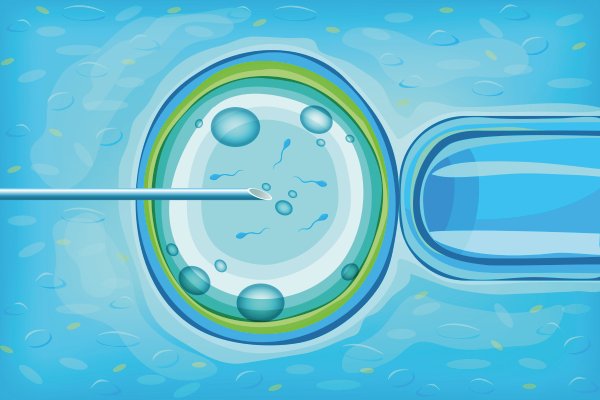
Sperm capacitation is a carefully controlled laboratory process in which sperm are washed, processed and prepared so that they gain the ability to effectively penetrate and fertilise an egg. This mimics and enhances the natural changes that sperm undergo inside the female reproductive tract.
In Vitro Maturation (IVM) is a technique where immature eggs (oocytes) are gently collected from the ovaries and then matured in a specialised culture medium in the IVF lab instead of inside the body. Once the eggs reach maturity, they can be fertilised using IVF or ICSI and developed into embryos.
These techniques form part of an advanced assisted reproduction toolkit, especially for patients in whom conventional high-dose stimulation or standard protocols are not ideal.
Your fertility specialist and embryology team will decide whether capacitation and/or IVM are appropriate for you based on your ovarian reserve, hormonal profile, sperm parameters, medical history and overall treatment goals.
These techniques are usually integrated into an IVF or ICSI cycle. Here is how the overall process typically looks.
A detailed consultation, ultrasound, blood tests, and semen analysis are done to understand your situation. The team decides whether IVM, capacitation, or both may add value to your treatment plan.
Instead of very high-dose stimulation, gentler or shorter protocols may be used. Ultrasound scans track follicle growth, and the timing for collecting immature eggs is planned.
Immature oocytes are aspirated from the ovaries under ultrasound guidance, usually with mild anaesthesia. At the same time, a semen sample is collected or prepared if already frozen.
Sperm are processed and capacitated in the lab to enhance their fertilising potential. Immature eggs are cultured in special IVM media until they reach maturity. Mature eggs are then fertilised with the prepared sperm using IVF or ICSI.
The best-quality embryos are transferred into the uterus in a gentle procedure. Supportive medications are given, and a blood pregnancy test is performed 12–14 days after transfer.
Success with capacitation and IVM depends on age, egg reserve, sperm quality, and the underlying diagnosis. In some groups, outcomes may be comparable to or slightly lower than conventional IVF, while still offering important advantages such as reduced medication or earlier egg collection. Your doctor will explain realistic expectations based on your specific reports.
IVM and capacitation are generally safe when performed in experienced centres, but not every immature egg will mature, and not every matured egg will fertilise. Embryo numbers may be lower than in some conventional cycles.
As with IVF, there can be temporary side effects from ovarian stimulation and egg collection such as bloating, mild cramping, or discomfort. The risk of OHSS may be reduced in certain IVM-based protocols but still requires careful monitoring.
These advanced techniques are not suitable for all patients and may not be available at every clinic. Your team will discuss whether capacitation and IVM genuinely add benefit for your situation or whether standard IVF/ICSI alone is more appropriate.
Common questions couples ask when considering these specialised techniques.
No. IVF and ICSI describe how eggs and sperm are brought together and fertilised. Capacitation and IVM are additional lab techniques that prepare sperm and eggs before fertilisation to improve their readiness and potential in selected cases.
IVM is most often considered in women with polycystic ovaries or those at higher risk of OHSS, and in some fertility preservation situations. Your doctor will check if your ovarian reserve, age and medical profile make you suitable for this approach.
In some groups, pregnancy rates with IVM may be slightly lower than with conventional IVF, while still providing important benefits like lower medication or safer stimulation. The balance of advantages and limitations is discussed individually for each couple.
The lab processes of capacitation and IVM themselves are painless for you. Egg collection is done with mild anaesthesia or sedation, so most patients feel only temporary cramping or discomfort afterwards, similar to standard IVF egg retrieval.
No, these are specialised techniques that require specific laboratory expertise and infrastructure. Your fertility centre will inform you whether they offer these services or if referral to a specialised unit is needed.
Share your fertility history and reports with our team to receive a clear, personalised recommendation on whether capacitation, IVM or conventional IVF/ICSI is best suited for you.