
Microfluidic sperm sorting is an advanced laboratory technique that uses specialised microchannels to select the healthiest, most motile sperm for use in IVF or ICSI. By mimicking the natural journey of sperm through the female reproductive tract, it aims to reduce DNA damage and improve the quality of sperm used for fertilisation.
Usually considered in male factor infertility, high DNA fragmentation or repeated IVF/ICSI failures after full evaluation.
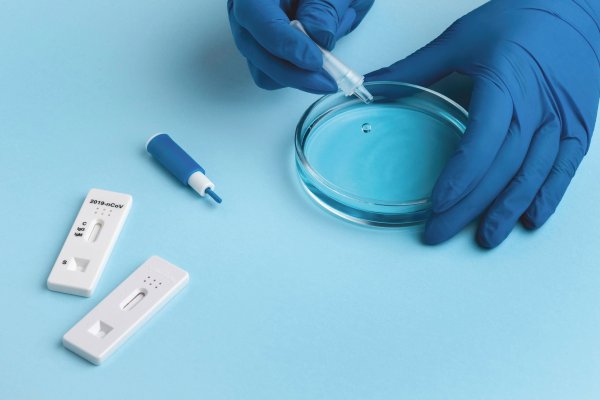
Microfluidic sperm sorting uses a small, specially designed chip with microchannels that allow sperm to swim in a controlled environment. Unlike conventional methods that rely on centrifugation, this technique separates sperm based on their natural ability to move forward and navigate the channels.
The goal is to select a population of sperm that are more motile, structurally normal and less likely to have DNA damage, thereby potentially improving fertilisation and embryo quality when used in IVF or ICSI.
The entire process happens in the embryology lab; there is no additional invasive procedure for the female partner.
Your fertility specialist and embryology team will decide whether microfluidic sorting is appropriate based on semen analysis, DNA fragmentation tests, previous treatment outcomes and overall clinical context. It is not required in every IVF/ICSI cycle.
Microfluidic sorting is performed entirely within the IVF lab and fits into the standard IVF/ICSI pathway from semen collection to embryo creation.
Detailed semen analysis, and where indicated, sperm DNA fragmentation testing are reviewed along with previous treatment history. If appropriate, microfluidic sorting is planned as part of the IVF/ICSI cycle and explained to the couple.
The male partner provides a semen sample on the day planned by the lab, usually close to the time of egg retrieval. In some cases, frozen samples may also be considered depending on the protocol.
The semen sample is loaded into a microfluidic chip. Over a set period, sperm swim through the microchannels. The healthiest, most motile sperm reach the collection chamber and are gently harvested for use, without the high-speed spinning used in conventional methods.
The selected sperm population is then used to fertilise eggs via IVF or ICSI. Embryo development is monitored as usual in the IVF lab, and the best embryos are chosen for transfer or freezing based on standard criteria.
Fertilisation rates, embryo quality and pregnancy outcomes are reviewed in follow-up consultations. These results help guide future treatment planning and the continued use of microfluidic sorting if needed.
Microfluidic sorting aims to improve the quality of sperm used for fertilisation. However, it does not guarantee pregnancy or perfect embryos. Overall success still depends on egg quality, uterine factors, age and general health. Your doctor will discuss expected benefits in your specific situation.
Microfluidic sperm sorting is generally safe as it is a lab-based technique. The main considerations relate to cost, availability and the fact that evidence, while promising, is still evolving in some areas.
Not all semen samples are suitable for all advanced selection methods, and in very severe male factor cases, the number of sperm recovered may be limited. In such situations, your embryologist may adapt the strategy or use standard preparation methods.
It is usually offered as part of a comprehensive plan rather than as a stand-alone solution. The decision to use microfluidic sorting should be made jointly with your fertility team after reviewing pros and cons.
Common questions couples ask about this advanced sperm selection method.
Conventional methods such as swim-up or density gradient rely on centrifugation and layering techniques. Microfluidic sorting uses tiny channels that allow sperm to swim in a more natural way, potentially selecting a population with better motility and lower DNA damage, without the mechanical stress of high-speed spinning.
No technique can guarantee pregnancy. Some studies and clinical experiences suggest that microfluidic sorting may help in specific groups, such as high DNA fragmentation or repeated failures, but overall success still depends on multiple factors like egg quality and uterine receptivity.
The method focuses on selecting better quality sperm and does not involve genetic modification. Current evidence suggests that it is safe when used as part of standard IVF/ICSI protocols, though long- term data is still being collected like with many newer lab tools.
Not always. Extremely low sperm counts, very poor motility, or specific semen characteristics may limit its use. The embryology team will decide whether the sample is suitable and may combine or switch to other methods if needed to maximise sperm recovery.
No. Microfluidic sperm sorting is performed entirely in the lab on the semen sample. The female partner’s IVF/ICSI process – injections, egg retrieval, embryo transfer – remains the same.
Share your semen reports, DNA fragmentation results and previous IVF history with our team to see whether advanced sperm selection with microfluidic sorting is a suitable addition to your treatment plan.