
ICSI is an advanced form of IVF where a single healthy sperm is directly injected into each mature egg under a high-powered microscope. This technique is especially useful when sperm count, motility, or morphology is severely low or when previous IVF fertilization attempts have failed.
Usually performed as part of an IVF cycle with advanced micromanipulation technology.
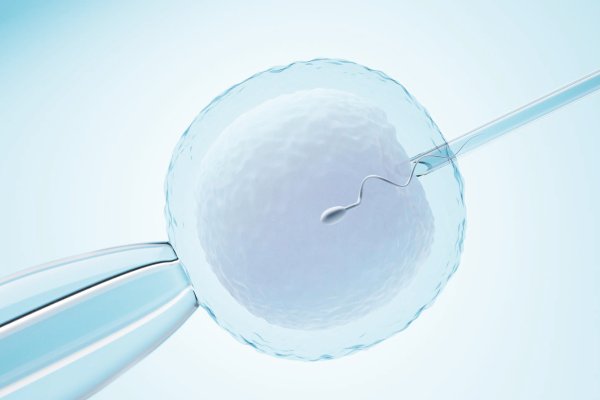
In ICSI, each mature egg is carefully held in place while a single best-quality sperm is injected directly into it using a fine glass needle under a high-resolution microscope. This bypasses natural fertilization barriers and significantly improves the chances of embryo formation.
The injected eggs are monitored in the embryology lab for fertilization and embryo development. High-quality embryos are then transferred to the uterus, while extra good embryos may be frozen for future cycles.
ICSI is highly effective when sperm parameters are low or when earlier IVF cycles had poor or no fertilization despite adequate eggs.
Before recommending ICSI, the fertility team evaluates sperm parameters, egg quality, medical history, and previous treatment responses to create a tailored micromanipulation strategy.
ICSI is performed as part of an IVF cycle and follows a structured sequence from ovarian stimulation to embryo transfer.
Includes medical history review, semen analysis, ovarian reserve testing, ultrasound, and blood work to plan the ideal protocol.
Fertility injections are given for 9–12 days to produce multiple eggs. Follicle growth is monitored with ultrasound and blood tests.
Eggs are collected under mild anaesthesia using a fine ultrasound- guided needle. The male partner provides a semen sample or frozen/ retrieved sperm is prepared.
A single best sperm is injected directly into each mature egg using micromanipulator equipment. Fertilized eggs are cultured for 3–5 days to form embryos.
Highest-quality embryo(s) are transferred to the uterus. A blood pregnancy test is done 12–14 days after transfer.
ICSI significantly improves fertilization, especially in severe male factor cases. Pregnancy rates depend on egg quality, sperm health, uterine factors, and lab conditions. Personalised success estimates are provided after evaluation.
Side effects mainly relate to the IVF stimulation process—bloating, mood changes, temporary discomfort. Rare risks include OHSS in high responders.
Although ICSI improves fertilization, embryo quality depends on egg and sperm health. Poor response or low egg count may limit outcomes.
If repeated cycles show poor results, doctors may discuss using donor sperm or donor embryos depending on medical need and preference.
Common questions couples ask before starting ICSI.
ICSI is recommended when sperm parameters are low or when previous IVF cycles showed poor fertilization. Not all couples need ICSI— your doctor will guide based on your reports.
The ICSI procedure happens in the lab and is completely painless for the patient. Only egg retrieval requires light anaesthesia.
ICSI improves fertilization rates significantly in severe male infertility. Overall pregnancy but depends on egg quality, sperm health, and embryo development.
Babies born through ICSI are generally healthy. Any small risks are usually related to underlying parental factors rather than the ICSI process itself.
Healthy lifestyle, supplements, avoiding smoking/alcohol, and reducing stress can help improve outcomes. Proper planning for work/leave also helps during the treatment cycle.
Share your fertility reports with our team and get a clear, personalised micromanipulation plan with honest guidance on success rates and next steps.