
IVF (In Vitro Fertilization) is an advanced fertility treatment where eggs and sperm are brought together in a specialized laboratory to form embryos. Selected embryos are then gently transferred into the uterus to help achieve pregnancy when simpler treatments are not enough.
Typically planned over a 2–3 week controlled cycle with careful monitoring and lab support.
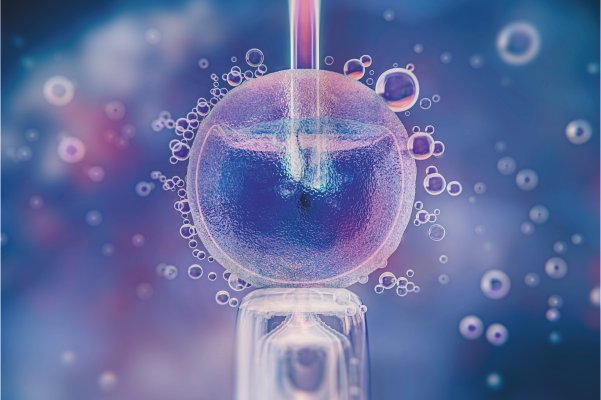
In IVF, the ovaries are gently stimulated to produce multiple mature eggs. These eggs are retrieved under ultrasound guidance and then combined with sperm in a specialized IVF laboratory to create embryos.
The growing embryos are monitored over a few days. One or sometimes two of the best quality embryos are then transferred into the uterus in a simple procedure called embryo transfer. Any extra good quality embryos may be frozen (vitrified) for future use.
IVF helps bypass several natural barriers to fertilization and is often recommended when simpler treatments like ovulation induction or IUI have not worked, or when there are clear medical reasons to choose a more advanced option.
Before advising IVF, your doctor will perform a detailed evaluation of both partners – including ovarian reserve tests, semen analysis, ultrasound and relevant blood tests – to design an individualised treatment protocol.
An IVF cycle is carefully planned and usually spans 2–3 weeks from the start of injections to embryo transfer. Here is how the process generally looks.
The journey starts with an in-depth consultation, review of your medical history and previous treatments. Blood tests (including hormone levels), ultrasound, semen analysis and sometimes additional investigations are done to plan a personalised IVF protocol.
You will take fertility injections for about 9–12 days to stimulate the ovaries to produce multiple eggs. During this period, regular ultrasound scans and sometimes blood tests are done to monitor follicle growth and adjust the dose as needed.
When the follicles reach the right size, a trigger injection is given and the egg retrieval is scheduled 34–36 hours later. Eggs are collected using a thin needle under ultrasound guidance, usually under mild anaesthesia. Most patients can go home the same day after observation.
The collected eggs are combined with processed sperm in the lab. In some cases, ICSI (injecting a single sperm into each egg) is used. The resulting embryos are cultured for 3–5 days and closely monitored for growth and quality by the embryology team.
One or sometimes two good-quality embryos are transferred into the uterus in a gentle procedure using a thin catheter – usually painless and done without anaesthesia. Supportive medications are prescribed and a blood pregnancy test is done about 12–14 days later.
IVF success rates vary with age, egg reserve, sperm quality, uterine factors and lab standards. In younger women, per-cycle pregnancy rates can often be significantly higher than with basic treatments. Your doctor will discuss personalised success estimates based on your reports.
Most women tolerate IVF well, but temporary side effects like bloating, mood changes, injection site discomfort and mild cramping can occur. When the ovaries respond very strongly, there is a risk of Ovarian Hyperstimulation Syndrome (OHSS), which is why careful monitoring and dose adjustment are important.
IVF does not guarantee pregnancy in every cycle. Sometimes eggs may be fewer than expected, fertilization may be low or embryo quality may be suboptimal. In such situations, protocols are reviewed and modified for future attempts if you choose to continue.
If repeated IVF cycles are unsuccessful, or if very poor ovarian reserve is present, your doctor may discuss options such as donor eggs, donor embryos or other family-building paths depending on your preferences and medical situation.
Here are some common questions couples ask before starting an IVF cycle.
Most IVF protocols involve daily injections for about 9–12 days, along with a trigger injection before egg retrieval. The exact number and type of injections depend on your ovarian reserve, age and individual protocol.
Egg retrieval is usually done under light anaesthesia or sedation so that you are comfortable and do not feel pain during the procedure. Mild cramping or discomfort for a day or two afterwards is common and usually manageable with simple pain relief as advised by your doctor.
Success in the very first IVF cycle is possible but not guaranteed. Chances depend on your age, diagnosis, egg and sperm quality and uterine factors. Many couples conceive within 1–3 well-planned IVF cycles, but your doctor will guide you with realistic expectations specific to your case.
Current evidence suggests that babies born through IVF are generally healthy and comparable to naturally conceived babies in most aspects. Any small differences seen in studies may be related more to underlying parental factors than to the IVF process itself. Your doctor can discuss this in detail based on the latest data.
Stopping smoking and recreational substances, limiting alcohol, taking prescribed supplements, maintaining a healthy weight, managing stress and getting adequate sleep can all support better outcomes. It also helps to understand the timeline, plan work/leave and discuss emotional support with your partner, family or counsellor if needed.
Share your reports and fertility history with our IVF team and receive a clear, personalised treatment roadmap – with honest guidance on options, success rates and next steps.