
Magnetic-Activated Cell Sorting (MACS) is an advanced laboratory technique used to separate healthy, non-apoptotic sperm from those showing early signs of cell death. By removing damaged sperm before IVF or ICSI, MACS aims to improve the overall sperm quality used for fertilisation in selected couples.
Usually offered after detailed semen analysis, DNA fragmentation testing and review of previous treatment outcomes.
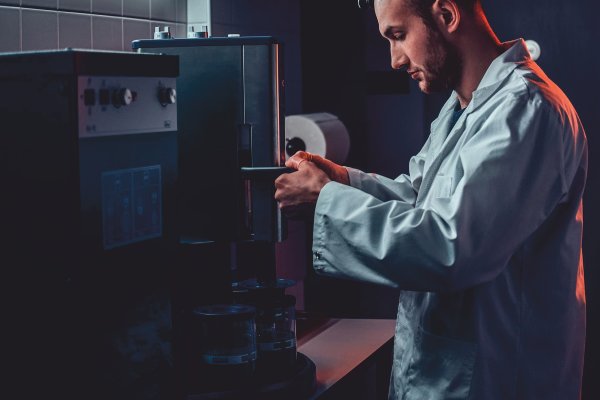
In MACS, sperm are first labelled with tiny magnetic particles that bind to specific markers present on sperm undergoing early apoptosis (programmed cell death). The sample is then passed through a special magnetic column in the andrology / IVF lab.
Sperm that carry apoptotic markers are retained in the column, while healthier, non-apoptotic sperm pass through and are collected. This enriched fraction may have better DNA integrity and functional quality, which can be used for IVF or ICSI.
MACS is an add-on laboratory technique and is performed entirely on the semen sample. There is no additional invasive procedure for the female partner.
MACS is not required for every IVF cycle. Your fertility specialist and embryology team will decide whether it is appropriate after evaluating semen parameters, DNA fragmentation, clinical history and previous outcomes.
MACS is incorporated into the routine IVF / ICSI workflow after semen collection and before sperm are used for fertilisation.
Semen analysis, DNA fragmentation reports and previous IVF results are reviewed. If MACS is likely to help, the procedure, expected benefits and limitations are explained in detail to the couple.
The male partner provides a semen sample as per lab instructions, usually on the day of egg retrieval or as planned. In some cases, frozen samples may be processed depending on the protocol.
The semen sample is mixed with magnetic microbeads that bind to apoptotic sperm. The sample is then passed through a MACS magnetic column. Sperm carrying the apoptotic markers are held back, while healthier, non-labelled sperm flow through and are collected in a separate tube for use in IVF/ICSI.
The enriched sperm population is used for fertilising eggs by IVF or ICSI. Embryo development is monitored in the usual way, and the best embryos are selected for transfer or freezing based on standard lab criteria.
Fertilisation, embryo quality, implantation and pregnancy outcomes are reviewed in follow-up consultations. These results help decide whether MACS should be continued or modified in future cycles if needed.
MACS aims to improve the quality of sperm used but does not guarantee pregnancy or perfect embryos. Overall success still depends on egg quality, uterine factors, age and general health. Your doctor will guide you with realistic expectations based on your reports and treatment history.
MACS is considered safe as it is performed on the semen sample in the lab. The main considerations are added cost, availability and the fact that evidence, while encouraging in some groups, is still evolving and may not show benefit in every case.
In very severe male factor cases with extremely low sperm count, the number of sperm recovered after MACS may be limited. Your embryology team may adapt or combine techniques to maximise usable sperm.
MACS should be viewed as one component of a broader, individualised fertility plan rather than a stand-alone solution. The decision to use MACS is best made after careful discussion with your fertility specialist and lab team.
Common questions couples ask about Magnetic-Activated Cell Sorting.
Routine methods like swim-up or density gradients separate sperm mainly based on motility and density. MACS adds another layer by specifically removing sperm with early apoptotic markers, which may be more likely to have DNA damage, thereby enriching the sample with potentially healthier sperm.
No procedure can guarantee pregnancy. MACS may help in certain male factor or high DNA fragmentation cases, but overall success still depends on multiple factors including egg quality, embryo development and uterine receptivity. It is a supportive tool, not a cure-all solution.
MACS does not alter sperm genetically; it simply separates sperm based on surface markers. Current evidence suggests that using MACS-selected sperm is safe when performed in accredited labs as part of standard IVF/ICSI protocols, though, like many newer technologies, long-term data continue to be collected.
Not always. Extremely low counts or very poor semen quality may limit the usefulness of MACS, as too few sperm may remain after sorting. The andrology / embryology team will first evaluate the sample and then decide whether MACS is technically feasible and beneficial.
No. MACS is performed on the semen sample in the laboratory. The female partner’s IVF / ICSI process – stimulation, egg retrieval and embryo transfer – remains unchanged.
Share your semen analysis, DNA fragmentation reports and previous IVF history with our team to understand whether Magnetic-Activated Cell Sorting (MACS) could meaningfully support your treatment strategy.