
Laparoscopy is a minimally invasive surgical procedure that uses a thin telescope-like camera inserted through tiny abdominal cuts to diagnose and treat various fertility-related conditions. It offers faster recovery, less pain, and clearer visual assessment of the pelvis compared to open surgery.
Often advised when pelvic issues like endometriosis or blocked tubes are suspected.
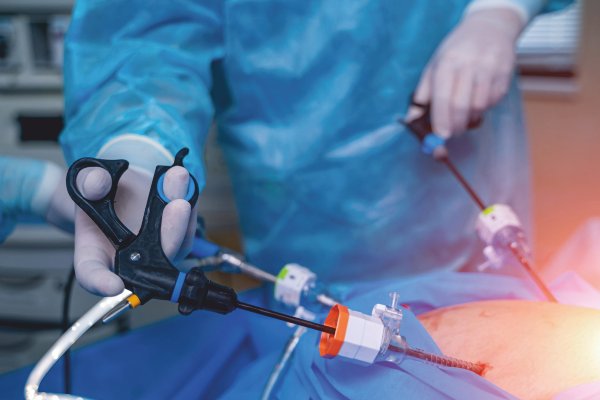
Laparoscopy is a minimally invasive surgical technique used to look inside the abdomen and pelvis with a high-definition camera. Through small incisions, the surgeon can diagnose fertility problems, remove adhesions, treat endometriosis, repair fallopian tubes, or manage ovarian cysts.
Compared to open surgery, laparoscopy offers faster recovery, minimal scarring and much lower post-operative discomfort. Many women return to normal activities within a few days.
It is both a diagnostic and therapeutic procedure, meaning problems can often be treated during the same session.
Your doctor will recommend laparoscopy based on symptoms, ultrasound, HSG results or long-standing unexplained fertility.
The procedure is usually done under general anaesthesia and involves small incisions near the navel and lower abdomen.
Includes medical history review, blood tests, ultrasound, and anaesthesia fitness check. The surgical plan is discussed in detail.
General anaesthesia is given. Tiny cuts (0.5–1 cm) are made to insert the laparoscope and instruments.
The surgeon examines the uterus, tubes, ovaries, pelvic cavity and surrounding structures using a high-definition camera.
Depending on findings, the surgeon may remove cysts, treat endometriosis, clear adhesions, repair tubes or correct other issues that could affect fertility.
Most women go home the same or next day. Mild discomfort is normal. Fertility planning is discussed in follow-up visits after reviewing the surgical findings.
Many women experience improved chances of natural conception after laparoscopy, especially when pelvic corrections, cyst removal or endometriosis treatment are performed.
Laparoscopy is generally safe, but as with any surgery, risks include infection, bleeding, anaesthesia reactions, or very rare injury to internal organs.
Mild abdominal discomfort, bloating and shoulder-tip pain may occur for 1–3 days due to gas used during the procedure.
Your surgeon will explain all precautions and recovery guidelines based on your health and the findings during surgery.
Answers to common questions about fertility laparoscopy.
The surgery is done under general anaesthesia, so you won’t feel pain during the procedure. Mild discomfort afterwards is normal and usually manageable with medications.
Most women recover within 3–5 days and return to normal activities quickly. Full internal healing may take 2–3 weeks.
Yes. Treating endometriosis, adhesions, cysts or tubal issues during laparoscopy often improves chances of natural conception or enhances IVF success.
Depending on what was treated, most women can start trying within 4–6 weeks after the procedure or as advised by their doctor.
No. Laparoscopy is recommended only when symptoms or scans suggest issues that cannot be fully assessed non-invasively.
Share your reports with our team to receive a personalised surgical plan, expected outcomes, and guidance on next steps in your fertility journey.