
Ovarian Platelet Rich Plasma (PRP) Therapy is an emerging, regenerative treatment in which a concentration of your own platelets is injected into the ovaries under ultrasound guidance. The aim is to stimulate ovarian tissue, potentially improving hormone levels and egg response in selected women with reduced ovarian reserve.
Usually discussed for women with diminished ovarian reserve or repeated poor response to stimulation in IVF cycles.
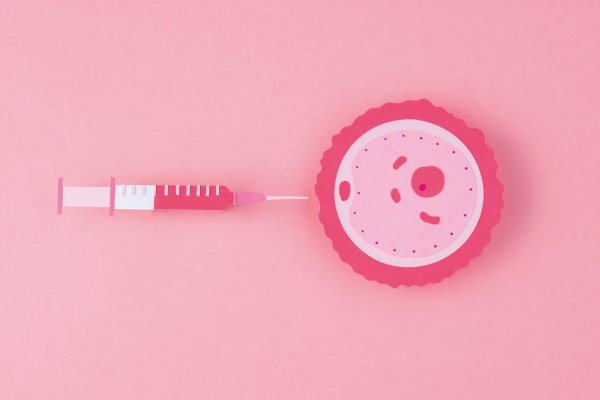
Platelet Rich Plasma (PRP) is prepared from your own blood. The sample is processed to concentrate platelets, which contain growth factors and signalling molecules. In ovarian PRP, this concentrate is injected into the ovaries under ultrasound guidance.
The intention is to stimulate ovarian tissue, potentially supporting follicle growth, hormone production and response to stimulation in certain women with reduced ovarian reserve. Research is ongoing, and while some early studies and experiences are encouraging, the therapy is still considered experimental.
Ovarian PRP is usually integrated into a broader fertility plan and carried out by a trained fertility specialist in a controlled setting.
Not everyone with low AMH will benefit from PRP. Your fertility specialist will evaluate age, ovarian reserve, previous treatment responses, general health and available evidence before suggesting this option.
The procedure is typically done as a day-care intervention and may be followed by a planned IVF/ICSI cycle or monitoring of natural cycles.
Detailed review of your fertility history, AMH levels, antral follicle count, previous IVF responses, and overall health. The experimental nature, potential benefits and limitations of PRP are discussed in depth.
A sample of your blood is drawn, usually from a vein in the arm. It is processed in a specialised centrifuge to separate and concentrate the platelet-rich plasma fraction, prepared under strict sterile conditions.
Under sedation or anaesthesia, and using transvaginal ultrasound guidance (similar to egg retrieval), the prepared PRP is injected into specific areas of the ovaries. The procedure typically takes a short time and is done as a day-care intervention.
Most women can go home the same day. Mild pelvic discomfort or spotting can occur briefly. Hormone levels, cycles and ovarian response are monitored over the following weeks and months, depending on the plan.
Based on response—such as changes in follicle count, cycle pattern or stimulation response—your doctor may plan a subsequent IVF/ICSI cycle or timed attempts at conception and will reassess your options.
Results with ovarian PRP can vary widely. Some women may see improvements in response or cycle parameters, while others may see little or no change. It should be approached as an exploratory option, not a guaranteed solution. Your doctor will guide you with honest, personalised expectations.
Although PRP uses your own blood, any invasive ovarian procedure carries small risks such as bleeding, infection, injury to nearby structures or anaesthesia-related side effects.
Ovarian PRP is still considered an experimental / investigational therapy. Long-term data and large studies are limited, and it may not be recommended in every clinic or for every patient with low AMH.
Cost, lack of guaranteed benefit and the emotional impact of trying newer options should also be weighed carefully. Shared decision-making with your fertility team is essential before proceeding.
Common questions couples ask about PRP for low ovarian reserve.
Not yet. Ovarian PRP is an emerging, experimental therapy. Some early reports are encouraging, but large, long-term studies are still ongoing. It should be seen as an optional add-on, not a guaranteed cure for low AMH or age-related decline.
Blood collection is like a routine blood test. The ovarian injection is usually done under sedation or anaesthesia (similar to egg retrieval), so you should not feel pain during the procedure. Temporary cramping or mild discomfort afterwards is possible but generally short-lived.
This depends on your protocol and your doctor’s strategy. Some centres plan IVF a few weeks to a few months after PRP, monitoring cycles and hormone levels in between. Your specialist will create a timeline tailored to your situation.
Serious complications are uncommon but can include infection, bleeding, ovarian injury or anaesthesia-related problems—similar to other transvaginal procedures. Choosing a trained team and accredited centre helps minimise risks.
No. Age, AMH level, antral follicle count, overall health and previous treatment history all matter. In some cases, moving directly to options like donor eggs may offer better chances. PRP is considered on a case-by-case basis after thorough counselling.
Share your reports, hormone profiles and previous treatment details with our team to understand whether Ovarian PRP is a suitable option for you and how it fits into your personalised fertility roadmap.