
Hysteroscopy is a minimally invasive procedure that uses a thin telescope-like camera passed through the cervix to directly view the inside of the uterus. It helps diagnose and treat conditions that may affect fertility, periods, or recurrent pregnancy loss.
Often advised when ultrasound or HSG suggests a uterine cavity issue or when fertility / bleeding problems remain unexplained.
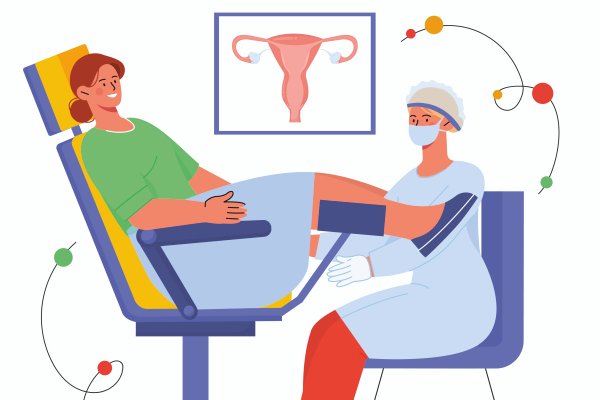
Hysteroscopy is a procedure in which a thin camera (hysteroscope) is passed through the vagina and cervix into the uterus to directly visualise the uterine cavity. No cuts are made on the abdomen.
It helps detect and treat problems such as polyps, small fibroids inside the cavity, adhesions (scar tissue), septum, or abnormal endometrium which may interfere with implantation or cause heavy or irregular bleeding.
Depending on the case, hysteroscopy may be purely diagnostic or combined with treatment (operative hysteroscopy) in the same session.
Your doctor may suggest hysteroscopy if imaging tests are inconclusive or if a more detailed, direct view of the uterine cavity is needed before planning treatment.
The procedure may be done as an outpatient or day-care procedure, depending on whether it is diagnostic or operative.
Includes medical history, pelvic examination, ultrasound and basic blood tests. The timing of the procedure is planned in relation to the menstrual cycle.
Diagnostic hysteroscopy may be done with mild pain relief or short anaesthesia. Operative hysteroscopy is usually done under regional or general anaesthesia for comfort.
The hysteroscope is gently passed through the cervix into the uterus. Fluid is used to slightly distend the cavity so that the lining and any abnormalities can be clearly seen on the monitor.
The uterine cavity is examined for polyps, fibroids, adhesions, septum or other issues. If required and planned, instruments passed through the hysteroscope are used to remove or correct these abnormalities in the same sitting.
Most patients go home the same day. Mild cramping or light spotting for a day or two is common. Your doctor will review the findings and plan further fertility treatment or follow-up as needed.
Correcting problems like polyps, septum, adhesions or submucous fibroids can significantly improve the chances of successful implantation, reduce miscarriages and optimise the uterine environment before IVF or natural conception.
Hysteroscopy is generally very safe. However, rare risks include infection, excessive bleeding, fluid overload, or very rarely perforation of the uterus.
Mild cramping, temporary spotting and a feeling of fullness or discomfort may occur briefly after the procedure.
Your doctor will advise on precautions after hysteroscopy and when it is safe to resume routine activities, intercourse or fertility treatment plans.
Answers to common questions about uterine cavity evaluation.
Diagnostic hysteroscopy is usually well-tolerated with mild pain relief or short anaesthesia. You may feel some cramping, but severe pain is uncommon. Operative hysteroscopy is done under stronger anaesthesia for comfort.
Most women resume normal routine within a day or two. Light spotting can continue for a short period. Your doctor will give specific activity advice based on what was done during the procedure.
Yes. Removing polyps, fibroids, adhesions or correcting a uterine septum can improve implantation and reduce miscarriage risk, especially before IVF or embryo transfer.
It is often scheduled in the early part of the cycle, after menstruation, when the lining is thinner and visibility is better. Your doctor will plan the timing based on your period dates and treatment schedule.
Not always. It is usually advised when there is a history of implantation failure, miscarriage, abnormal scans, or suspected cavity pathology, rather than as a blanket test for everyone.
Share your reports and history with our team to understand whether hysteroscopy is right for you and how it fits into your fertility treatment plan.