
Ovulation Induction (OI) is a simple and effective fertility treatment where tablets or injections are used to stimulate the ovaries to release eggs regularly. It is often the first-line treatment for women with irregular periods, PCOS or unexplained infertility.
Typically planned as an OPD-based treatment over a 2–3 week cycle.
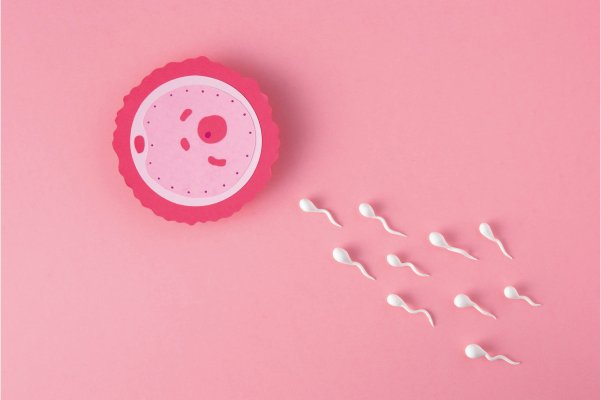
In a natural cycle, the ovary typically releases one mature egg each month. In some women, ovulation does not happen regularly or at all. Ovulation Induction uses carefully selected medicines to gently stimulate the ovaries so that eggs grow and are released more predictably.
Your doctor will call you for ultrasound scans to monitor the growth of follicles (fluid sacs containing eggs) and the thickness of the uterine lining. Once the follicles are ready, an ovulation trigger injection may be given and intercourse or IUI is planned around this time to maximise your fertile window.
The goal is to help the body do what it is naturally designed to do – but in a more controlled, predictable and fertility-friendly way.
Before starting OI, your doctor will usually check both partners – including semen analysis, tubal evaluation and basic hormonal profile – to ensure that this treatment is appropriate and safe for you.
A typical ovulation induction cycle lasts about 2–3 weeks. Here is how the process usually looks.
We start with a detailed discussion about your menstrual history, previous treatments and reports. Necessary tests such as hormone profile, ultrasound and semen analysis are reviewed to decide the best protocol for you.
On specific days of your cycle (often Day 2–5), you begin tablets like Letrozole or Clomiphene. In some cases, low-dose hormone injections (gonadotropins) are added for better follicle development.
You will be called for one or more ultrasound scans to track follicle size and the thickness of the uterine lining. Based on the response, the dose of medicines may be adjusted to avoid over or under stimulation.
When follicles reach the desired size, an ovulation trigger injection may be given. Timed intercourse at home or an IUI procedure at the clinic is then scheduled within the expected ovulation window to align sperm and egg at the right time.
After ovulation, supportive medications may be prescribed to help the uterine lining. Around 14 days later, a blood or urine pregnancy test is done to confirm if conception has occurred.
In younger women with normal tubes and semen parameters, pregnancy rates are usually around 8–12% per cycle with timed intercourse and may be higher when combined with IUI. Individual results vary based on age, diagnosis and overall fertility health.
Most women tolerate Ovulation Induction well. Mild side effects like mood changes, bloating, breast tenderness or headache can occur and usually settle on their own. Serious complications are rare when cycles are closely monitored.
One possible risk is multiple pregnancy (twins), especially if more than one egg is released. This is why your doctor carefully adjusts medication doses and keeps an eye on follicle numbers to keep you safe.
If several well-conducted OI cycles do not result in pregnancy, or if additional factors such as blocked tubes or severe male factor infertility are present, your doctor may advise moving to treatments like IUI or IVF/ICSI.
Here are some common questions couples ask before starting Ovulation Induction.
One OI cycle generally takes around 12–16 days from the start of your period until ovulation and the planned intercourse or IUI. The exact duration can vary depending on how quickly your follicles grow and respond to medications.
Many women respond well to tablets alone, such as Letrozole or Clomiphene. In some situations, your doctor may recommend adding low-dose hormone injections for better control and response. The treatment plan is customised for each patient.
When used in recommended doses and under proper monitoring, Ovulation Induction medications are considered safe. There is no strong evidence that short-term use of these medicines increases long-term health risks in most women. Your doctor will review your medical history before starting treatment.
This depends on your age, diagnosis and previous fertility history. In younger women with good ovarian reserve and no major additional problems, 3–4 well-planned OI cycles may be reasonable before considering IUI or IVF. Your doctor will guide you on the timeline best suited for you.
Follow the medication schedule exactly as advised, attend all monitoring scans, maintain a healthy lifestyle, avoid smoking and excessive alcohol, manage stress and aim for adequate sleep. These small things can work together with treatment to support better outcomes.
Share your reports and menstrual history with our fertility team and get a personalised treatment roadmap designed just for you.