
In Vitro Maturation (IVM) is an advanced fertility technique in which immature eggs are collected from the ovaries and allowed to mature in a specialised laboratory environment instead of inside the body. It is especially considered for women at high risk of ovarian hyperstimulation or those who may benefit from milder stimulation.
Usually considered in women with polycystic ovaries, high OHSS risk or specific medical situations after detailed evaluation.
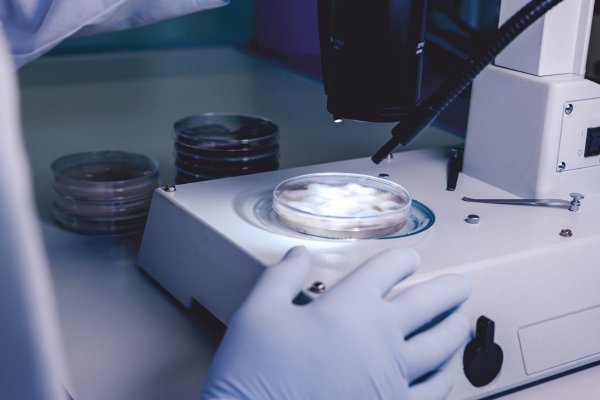
In a conventional IVF cycle, the ovaries are stimulated with higher doses of fertility injections to grow fully mature eggs before retrieval. In IVM, the ovaries are stimulated more gently (or sometimes very minimally), and immature eggs (oocytes) are collected earlier, before they are fully mature.
These immature eggs are then placed in a specialised culture medium in the IVF lab, where they are carefully monitored and allowed to mature in vitro (outside the body). Once maturity is reached, they can be fertilised using IVF or ICSI and developed into embryos.
IVM is part of an advanced assisted reproduction toolkit and is typically offered in specific clinical situations rather than as a routine alternative to standard IVF for everyone.
IVM is not suitable for every patient. Your fertility specialist and embryology team will assess ovarian reserve, hormone profile, previous responses and overall health to decide whether IVM is a realistic and beneficial option for you.
IVM follows a structured pathway from gentle ovarian preparation to egg collection, lab maturation and embryo transfer.
Your medical history, ultrasound scans, hormone levels and previous treatment outcomes are reviewed. The potential role of IVM, its benefits, limitations and success expectations are explained in detail, especially in comparison with standard IVF.
Instead of high-dose stimulation, you may receive milder injections or tablets over a shorter period. Ultrasound scans track follicle growth and help determine the right timing to collect immature eggs before they fully mature inside the body.
Under ultrasound guidance and mild anaesthesia (similar to standard egg retrieval), immature oocytes are aspirated from the ovaries. The procedure is usually done as a day-care intervention. A semen sample is also collected or prepared as per the plan.
The collected immature eggs are placed into a special IVM culture medium in the IVF lab. They are monitored until they reach maturity. Mature eggs are then fertilised using IVF or ICSI, and resulting embryos are cultured and assessed just like in standard IVF cycles.
The best embryos are chosen for transfer into the uterus in a gentle procedure. Remaining good-quality embryos, if any, may be frozen. Supportive medications are given and a blood pregnancy test is done about 12–14 days after transfer.
In some groups, pregnancy rates with IVM may be slightly lower than with standard IVF, but the technique can still offer important advantages such as reduced medication, improved safety in high-risk responders and the ability to proceed when time or medical conditions are limiting. Your doctor will discuss expected outcomes for your specific profile.
Not all immature eggs will mature in the lab, and not all mature eggs will fertilise or develop into good-quality embryos. The total number of usable embryos may sometimes be lower than in conventional IVF cycles for some patients.
As with any egg retrieval, temporary side effects such as bloating, mild cramping or discomfort can occur. Although the risk of OHSS may be reduced with IVM strategies, careful monitoring is still important.
IVM requires specific expertise and may not be available in every fertility clinic. It should be recommended only when it genuinely adds value over standard protocols in your situation.
Answers to common questions couples ask when considering IVM instead of conventional IVF.
No. In standard IVF, eggs are allowed to mature inside the ovaries with higher-dose stimulation before retrieval. In IVM, eggs are collected at an earlier, immature stage and then matured in the lab before fertilisation. The later steps of embryo culture and transfer are similar in both approaches.
In selected high-risk or special groups, IVM can offer good outcomes while improving safety. However, in general populations, conventional IVF may still have higher success rates. Your doctor will help you weigh safety, success and practicality based on your age and ovarian reserve.
The egg retrieval step in IVM is very similar to standard IVF and is done under sedation or anaesthesia, so you should not feel pain during the procedure. Mild discomfort or cramping afterward is common but usually short-lived and manageable with medications.
Current data have not shown major safety concerns for children born after IVM when performed in experienced centres. However, as with many advanced techniques, long-term studies are ongoing, and IVM is generally reserved for specific indications where its benefits outweigh any theoretical risks.
No. IVM requires specialised lab protocols and experience, so it is offered only in selected centres. Your fertility team will inform you whether they provide IVM on-site or if referral to a specialised unit is advisable.
Share your scans, hormone reports and treatment history with our team to understand whether IVM, conventional IVF or a combined approach is best suited to your fertility goals and medical profile.