
Microscopic Testicular Sperm Extraction (MicroTESE) is a specialised microsurgical procedure used to find and retrieve sperm directly from the testes in men with very low or zero sperm in the ejaculate (azoospermia). Using an operating microscope, the surgeon can identify and collect the most promising sperm-producing tubules while removing minimal tissue.
Usually considered in azoospermia or when no usable sperm are found in ejaculate or after simpler sperm retrieval attempts.
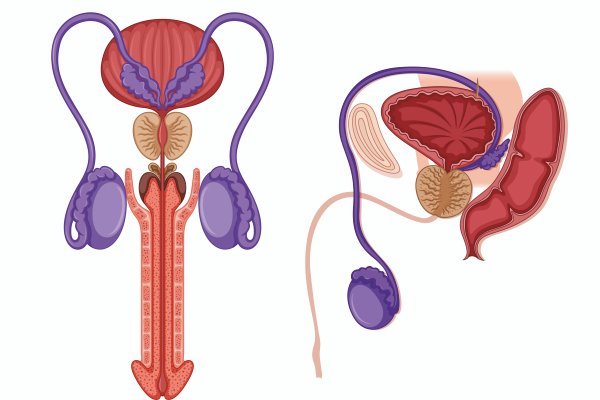
MicroTESE is a microsurgical sperm retrieval procedure performed directly on the testicular tissue. Under an operating microscope, the surgeon carefully opens the testis and looks for healthier, more promising seminiferous tubules that are more likely to contain sperm.
Only small, selected areas of tissue are removed and handed over to the andrology / embryology lab. There, the tissue is processed to search for live sperm. Any viable sperm found can be used immediately for ICSI or frozen (cryopreserved) for later treatment cycles.
MicroTESE is typically done under anaesthesia by an experienced urologist / andrologist in close coordination with the IVF team.
Not all men with azoospermia are suitable for MicroTESE, and the procedure does not guarantee that sperm will be found. A detailed evaluation including hormone tests, genetics and scrotal ultrasound is usually required before recommending this surgery.
MicroTESE is a planned surgical procedure performed in a fully equipped operating theatre with parallel support from the IVF lab.
A detailed history, physical examination, hormone profile, genetic tests and scrotal ultrasound are reviewed. The chances of sperm retrieval, possible risks, costs and alternative options (including donor sperm) are discussed with the couple.
MicroTESE is usually performed under general or regional anaesthesia for comfort. The urologist and IVF lab coordinate timing so that any sperm retrieved can be used or frozen appropriately, sometimes in sync with the female partner’s egg retrieval.
Through a small incision in the scrotum, the testis is exposed. Using a high-powered operating microscope, the surgeon carefully searches for fuller, healthier-looking tubules that may contain sperm. Only selected tiny pieces of tissue are removed to minimise damage to the testis and preserve function as much as possible.
The removed tissue is immediately processed in the andrology / IVF lab. Embryologists examine it under the microscope to look for live, usable sperm. If sperm are found, they are either used for ICSI on the same day (if eggs are available) or frozen for future cycles according to the plan discussed earlier.
After surgery, the patient is monitored and usually discharged the same day or next day. Pain and swelling are typically mild to moderate and managed with medications. Once the lab reports on sperm retrieval are available, the fertility team discusses next steps, including ICSI planning or alternative options if no sperm were found.
MicroTESE can significantly improve sperm retrieval chances in some forms of testicular failure, but it does not guarantee that sperm will be found. Even when sperm are retrieved, overall pregnancy success still depends on sperm quality, egg quality and female factors. Your team will provide case-specific expectations before surgery.
MicroTESE is a surgical procedure and carries risks such as pain, swelling, infection, bleeding or haematoma. There is also a small chance of impact on testicular function, including testosterone production, especially if repeated procedures are done or if the testis is already very compromised.
The procedure involves anaesthesia, cost and emotional investment. In some cases, no usable sperm are found despite careful microsurgery, which can be difficult for couples to process emotionally.
MicroTESE should therefore be planned after thorough counselling, review of alternatives (including donor sperm or adoption) and clear, realistic understanding of potential benefits and limitations.
Common questions couples ask about microscopic testicular sperm extraction.
Conventional TESE or TESA usually collects tissue or sperm without using an operating microscope, sometimes in a more “blind” manner. MicroTESE uses high magnification to identify more promising tubules and limit tissue removal, which may improve sperm retrieval in non-obstructive azoospermia while aiming to preserve testicular function better.
The surgery is performed under general or regional anaesthesia, so you should not feel pain during the procedure. Afterward, there may be some pain or discomfort in the scrotal area for a few days, which is usually manageable with painkillers and rest as advised by your doctor.
Success rates vary depending on the cause of azoospermia, hormone levels, testicular size, genetic findings and previous treatments. Your doctor will discuss approximate retrieval chances based on your individual profile, but no procedure can guarantee sperm retrieval in non-obstructive azoospermia.
Because MicroTESE removes limited, targeted tissue, the aim is to preserve testicular function as much as possible. However, in some men—especially those with already compromised testes—there may be changes in hormone levels. Follow-up monitoring and, if needed, hormone support will be discussed after surgery.
If MicroTESE does not yield usable sperm, your team will discuss alternative paths, such as donor sperm, embryo adoption or other family-building options. Psychological support and counselling can also be very valuable at this stage to help you process decisions together as a couple.
Share your hormone reports, genetic tests and previous semen analysis with our team to understand whether Microscopic Testicular Sperm Extraction (MicroTESE) is a suitable option and how it fits into your personalised fertility plan.